As a newbie, you’ll quickly notice huge price differences when shopping for replica watches. For example, a Rolex Pepsi might be listed at $40 by one seller and $650 by another. That gap usually comes down to the movement inside. On the lower end, you’re almost always getting a cheap quartz or basic Asian automatic movement, which is far less expensive to produce. While these watches do function, they lack the precision, smoothness, and durability of higher-end movements. They often feel lighter, have a noticeable ticking seconds hand, and can struggle with long-term accuracy.
Entry-Level Movements (Often Called “Shitters”)
| Movement Type | Quartz or Asian Automatic (e.g., 2813) |
|---|
| Price Range | $40–$110 |
|---|
| Pros | Very affordable, basic functionality, fine for casual or short-term wear. |
|---|
| Cons | Lower-quality materials, inconsistent timekeeping, shorter lifespan. |
|---|
These movements are typically the starting point for budget replicas. They get the job done, but the lack of craftsmanship and finishing makes them easy to spot as replicas.
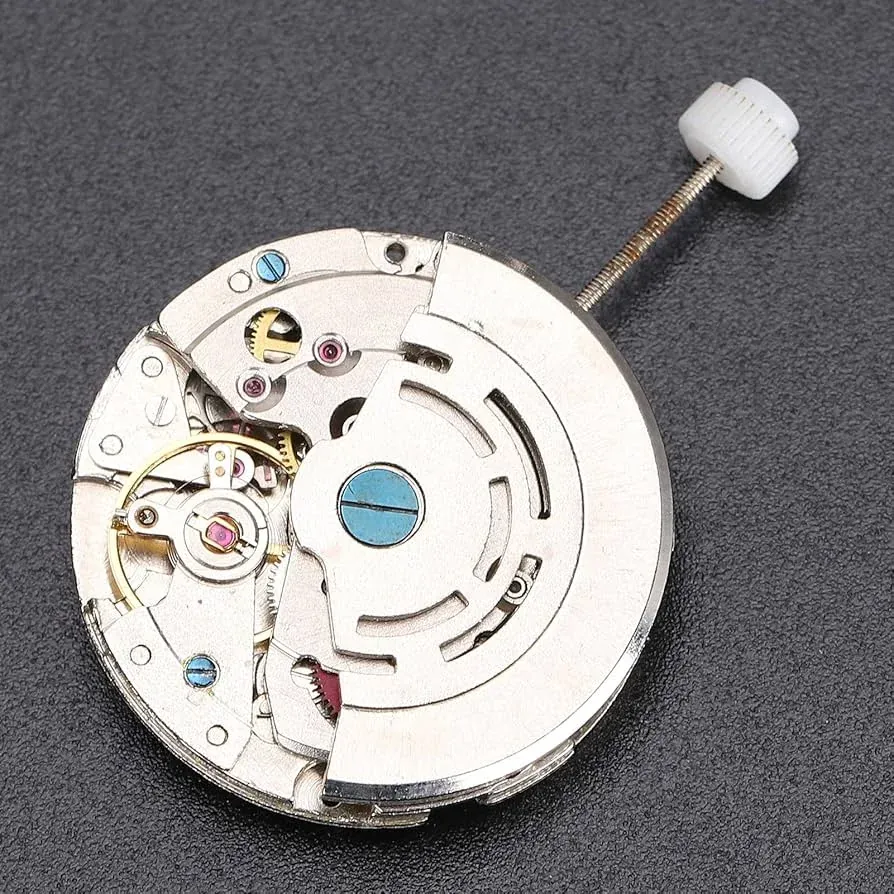
1. 2813 Movement
| Type | Asian automatic movement (commonly used in budget replicas) |
|---|
| Description | The 2813 is a very low-cost automatic movement frequently found in entry-level replicas. It’s a simple 21-jewel caliber that can be reasonably reliable for the price, but it doesn’t offer the precision, smooth sweep, or longevity of higher-quality movements. |
|---|
| Pros | Extremely cheap, widely available, functional for basic replicas. |
|---|
| Cons | Less accurate, rougher operation, lower durability over time. |
|---|
Comments