When you’re new to the replica world, one of the first big decisions is pricing
Is a cheap ~$150 watch “good enough,” or is a $650 superclone worth it?
The answer isn’t just “yes” or “no” — it depends on what you expect from your watch. This comparison breaks down the real differences in a way that matters to collectors and wearers alike.
$80–$200: Entry-level parts, functional but noticeable flaws
$450–$800: High-end clones, refined finishing, strong movement
This isn’t opinion — these are consistent patterns seen across multiple models, factories, and buyer experiences.
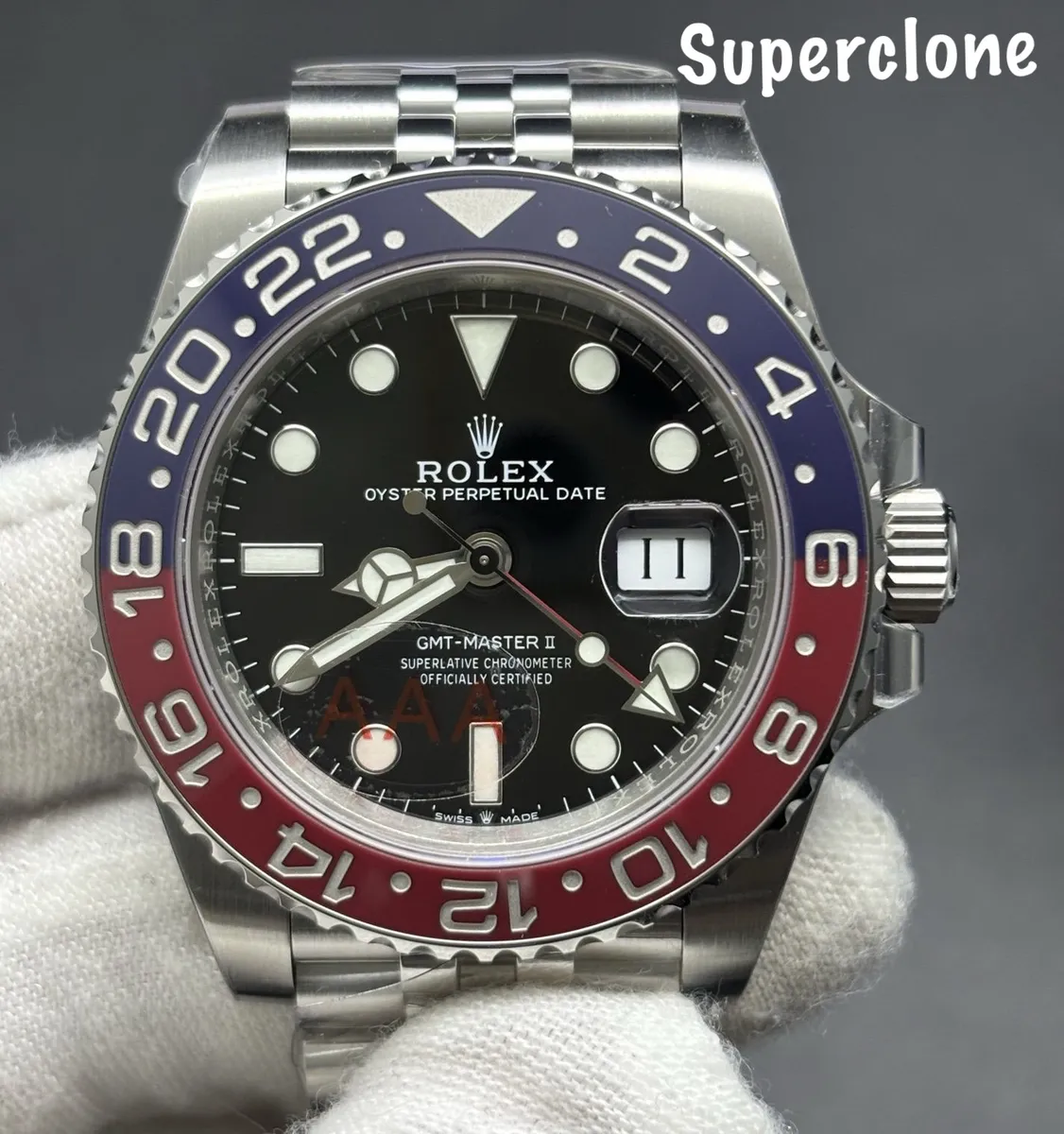
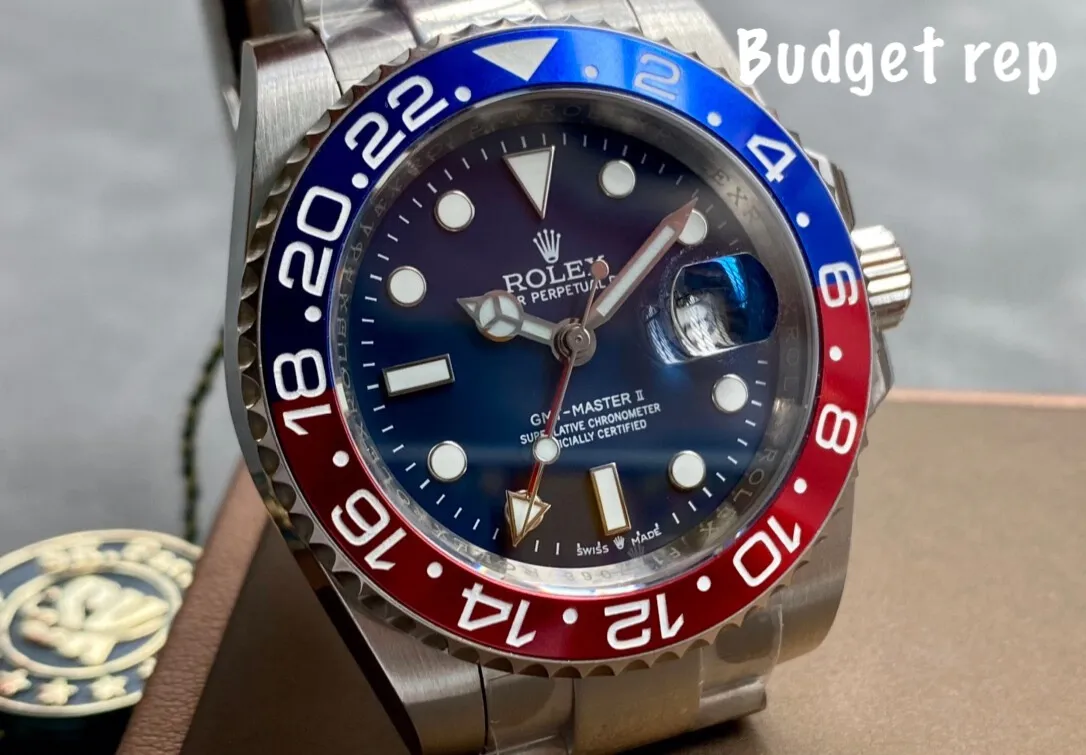
Above are two photos of a Pepsi-GMT which at first glance show an obvious difference in quality.
MOVEMENT — The Heart of the Watch
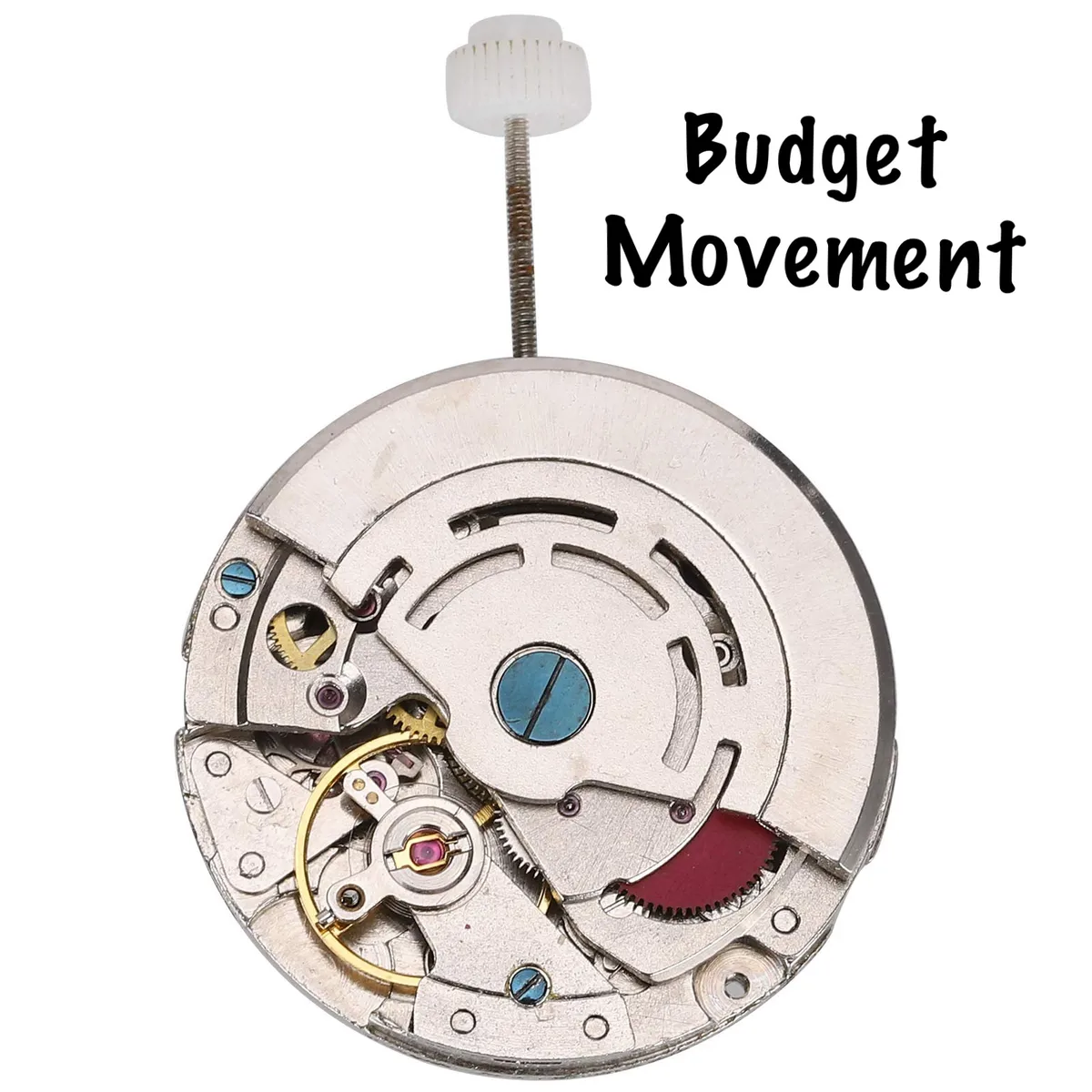
Budget ($150)
•Basic clone movements (generic Asian cal. like clones of ETA/Miyota or maybe 2813 depending on the vendor)
•Rudimentary regulation (±20+ sec/day typical)
•Loud, rough rotor
•Shorter lifespan without servicing
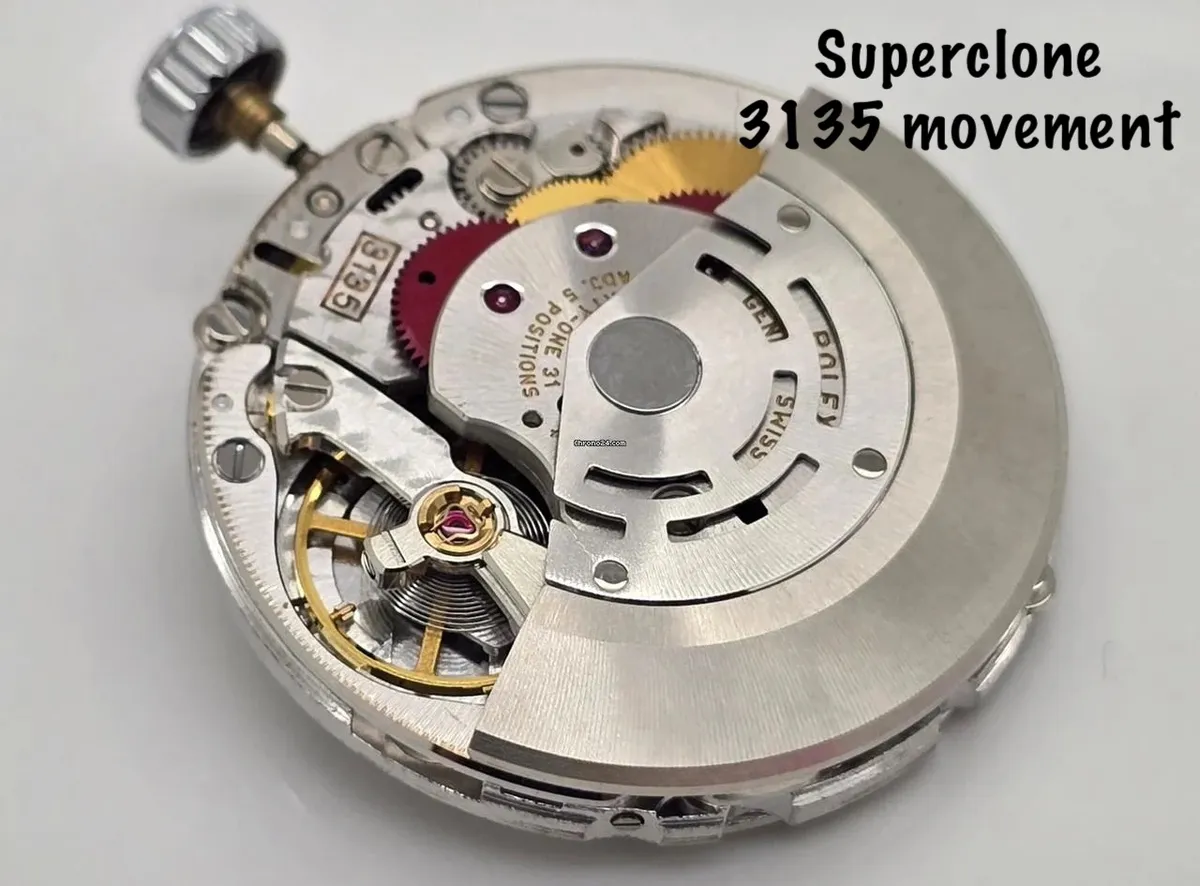
Superclone ($650)
•High-quality clone calibers designed to mimic genuine architecture (e.g., 3135, refined 4130 clones, better 8500 clones)
•Better regulation out of the box (often ±5–10 sec/day)
•Smoother winding and quieter rotor
•Often better lubrication and QC
The difference in movement isn’t just theoretical — on the wrist, it’s noticeable in smoothness, accuracy, and longevity.
CASE FINISHING & FIT
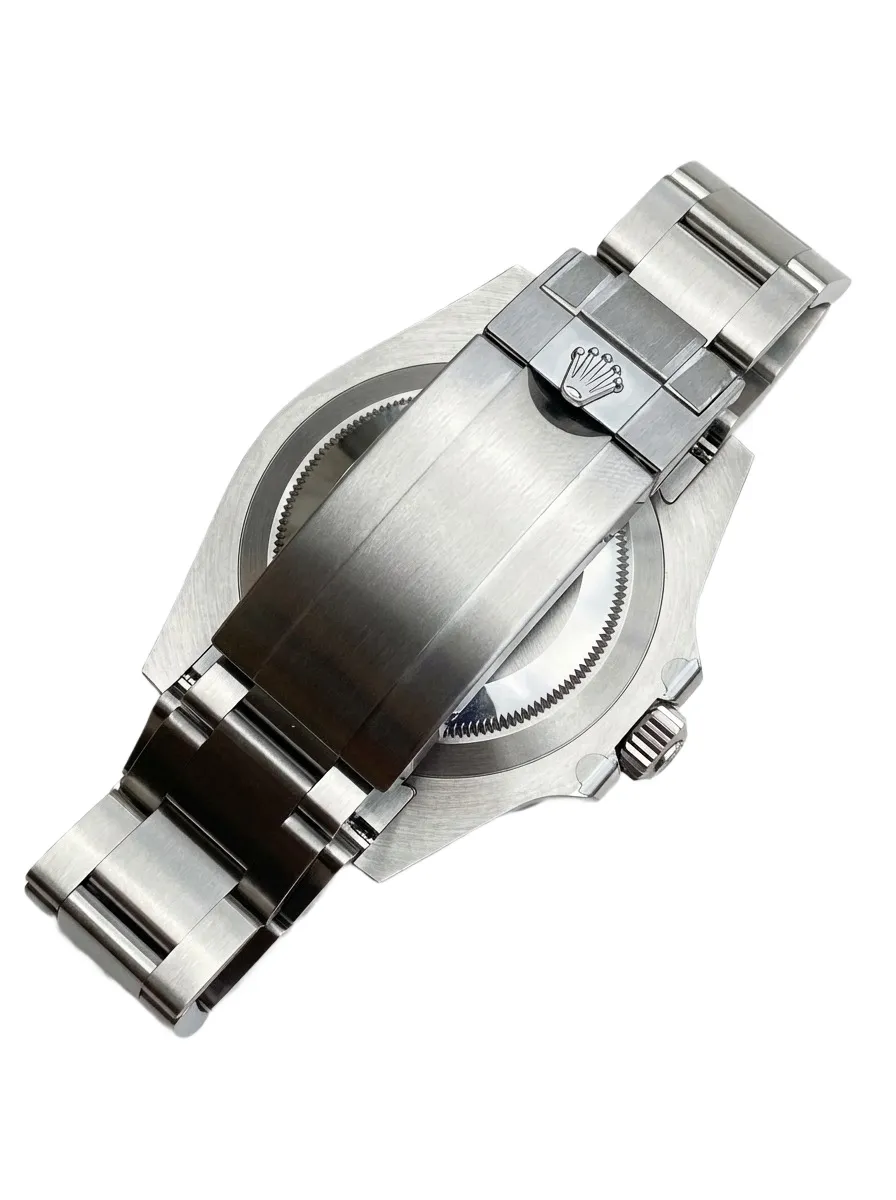
Budget ($150)
•Rougher brushing and polishing
•Edges may feel sharp or inconsistent
•Spacer tolerances can vary
•Visible machining marks under close inspection
Superclone ($650)
•Finishing much closer to genuine (consistent grain, beveling)
•Tight tolerances, smooth lines
•Better chamfers and surface transitions
•Even if you don’t have a loupe, your fingers will feel the difference.
DIAL & PRINT QUALITY
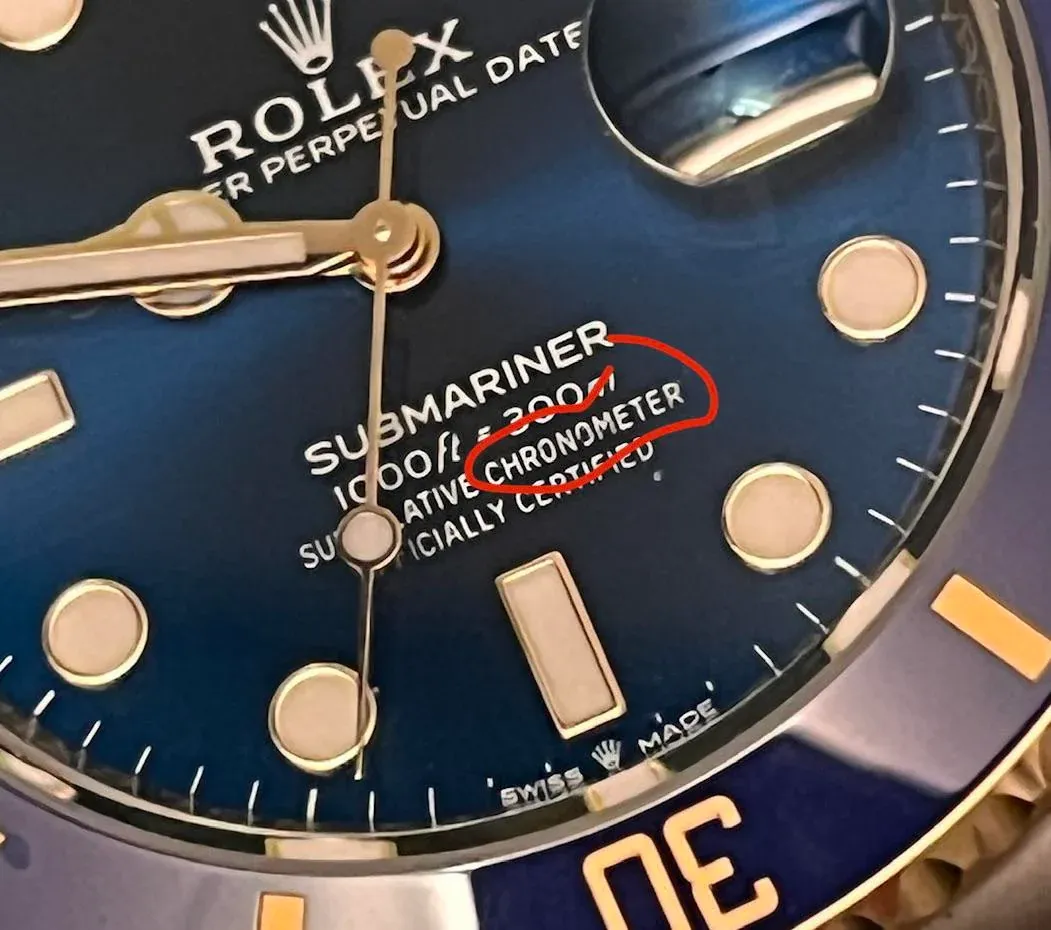
Budget ($150)
•Print thickness may be inconsistent
•Markers / lume can be uneven
•Logo edges slightly off under magnification
Superclone ($650)
•Crisp, clean printing
•Consistent lume application and quality
•Dial symmetry and proportions are more accurate
This is one of the areas most people notice first after wearing the watch.
CRYSTAL & LUME PERFORMANCE
Budget ($150)
•Lesser AR coating or none
•Lume that fades quickly
•More reflections, less clarity
Superclone ($650)
•Good AR coating
•Strong, even lume similar to genuine
•Clearer viewing angles
On wrist pics or in real life — this matters to how the watch feels.
BRACELET & CLASP
Budget ($150)
•Stretchier links
•Clasp gaps or rough edges
•Noise during wear
Superclone ($650)
•Solid links, tighter fit
•Well-engineered clasp feel and click
•More refined end link fit
Bracelet quality is often where cheap watches betray themselves immediately.
Example
Rolex Submariner
$150 budget → rough case edges, weak lume, noisy movement
$650 superclone → solid 3235 clone movement, tight finishing, strong AR coating
Omega Seamaster
$150 budget → generic movement, uneven print
$650 superclone → VSF/clone 8800 clone with improved regulation
These patterns aren’t exceptions — they are consistent across models.
When a Superclone Is Worth It
Choose a superclone if
✔ You care about wrist presence up close
✔ You want better movement performance
✔ You value finishing and feel
✔ You might wear it often or long-term
Superclones are a step up from “toy watch” territory into “serious budget watch” territory. Budget replicas are fine for casual use and learning.
Comments
Thanks for this post.